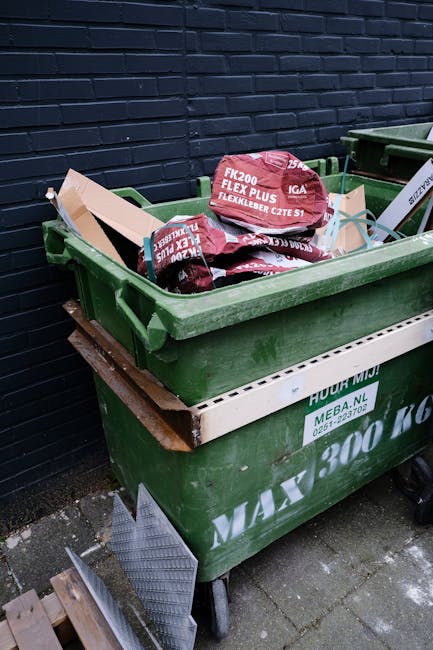
Plumstead High Street waste clearance for shops and cafes

If you run a shop or cafe on Plumstead High Street, waste has a habit of building up quietly and then all at once. One week it is a few cardboard boxes and some food packaging; the next, you are dealing with broken shelving, old display units, greasy back-of-house bins, and the kind of mixed rubbish that makes a small premises feel twice as tight. That is where Plumstead High Street waste clearance for shops and cafes becomes less of a nice-to-have and more of a practical business tool.
This guide explains how local commercial waste clearance works, what it usually covers, who needs it, and how to choose the right approach without slowing down your day. It is written for real working premises, not idealised ones. You know the sort of morning: deliveries outside, customers at the till, and somebody asking where the spare boxes went. Let's make the waste part simpler.
Why Plumstead High Street waste clearance for shops and cafes Matters
On a commercial strip like Plumstead High Street, waste is not just a back-room inconvenience. It affects presentation, hygiene, storage, staff morale, and even how smoothly customers move through the space. In a cafe, a couple of overfilled sacks can make a prep area feel cramped and messy. In a shop, a pile of packaging, damaged stock, or an old fixture waiting for removal can eat into floor space you would rather use for saleable displays.
There is also the public-facing side. Shops and cafes live and die by first impressions. Customers notice overflowing bins, a rear entrance with bags stacked around it, or a delivery area that looks neglected. They may not say anything. They just notice.
Good waste clearance helps you stay tidy, but it also helps you stay efficient. When clearance is planned properly, staff spend less time improvising with rubbish and more time serving customers, restocking shelves, or making coffee. Truth be told, that is often where the real value sits.
For businesses handling regular commercial waste, it can make sense to pair one-off clearances with an ongoing approach to business waste removal. That way, the occasional big clear-out does not derail the day-to-day routine.
Practical takeaway: waste clearance is not only about "getting rid of stuff". For a shop or cafe, it is about protecting space, presentation, hygiene, and workflow in one go.
How Plumstead High Street waste clearance for shops and cafes Works
The process is usually more straightforward than people expect. Most commercial clearances begin with a quick assessment of what needs removing, where it is located, and how urgently it needs to go. A small cafe may only need a few bulky items taken away after a refit. A retail unit might need mixed waste clearance after a stockroom purge, seasonal reset, or change of layout. Different premises, different mess. Simple as that.
In practical terms, the clearance team will normally look at access, item type, volume, and any handling risks. Narrow entrances, shared stairwells, rear alley access, early-morning delivery windows, and customer footfall all matter. The tighter the site, the more important planning becomes.
Items commonly removed from shops and cafes include:
- cardboard, shrink wrap, and packaging waste
- broken shelving or shop fittings
- old tables, chairs, and counters
- display materials and point-of-sale units
- out-of-date stock and damaged goods
- non-hazardous kitchen or back-of-house clutter
- office furniture from small admin areas
For heavier fittings or refurb-related waste, a service such as builders waste clearance can be relevant, especially after stripping out fixtures or doing a small refurbishment.
Most businesses also appreciate clear communication about recycling and disposal routes. If you want a service model that focuses on sorting, reuse where possible, and responsible disposal, it is worth reviewing a provider's recycling and sustainability approach before booking.
Key Benefits and Practical Advantages
There are obvious benefits, and then there are the quieter ones that often matter just as much.
1. You free up valuable space
Most shops and cafes on busy streets are not swimming in spare square footage. Once waste starts gathering in a corner, it is surprising how quickly that corner becomes "temporary storage" and then just storage. Removing clutter gives you back working space, which usually means better movement for staff and better presentation for customers.
2. You reduce fire and trip risks
Loose packaging, boxes, and stacked items can create avoidable hazards. In a cafe, that matters around prep areas and staff walkways. In retail, it matters near stockrooms and loading points. A clean layout is not only tidier; it is safer and calmer to work in.
3. You protect the customer experience
People may forgive a busy shop. They do not love a messy one. A clean frontage, tidy rear access, and uncluttered interior all help your business feel organised and trustworthy. That matters more than owners sometimes realise.
4. You save staff time
If your team is spending ten minutes every day wrestling with excess rubbish, that adds up. One proper clearance can remove the small daily frustrations that quietly drain energy. And yes, those little things do add up. Everyone knows it, even if nobody says it out loud.
5. You handle awkward items properly
Old furniture, mixed bulky waste, damaged fittings, and refit debris are awkward for standard bins. A clearance service is designed to deal with that one-off volume without turning your premises into a temporary skip yard.
| Need | Best fit | Why it works |
|---|---|---|
| Routine mixed rubbish | Scheduled business waste removal | Keeps day-to-day waste under control |
| Bulky one-off items | Commercial clearance | Removes furniture, fixtures, and stock quickly |
| Refit or strip-out waste | Builders waste clearance | Handles heavier, messier material from works |
| Furniture replacement | Furniture disposal or clearance | Useful when replacing seating, counters, or display items |
Who This Is For and When It Makes Sense
This kind of clearance is useful for a broad range of premises, but it becomes especially sensible in a few common situations.
- Independent cafes replacing seating, tables, or back-of-house equipment
- Retail shops clearing out seasonal stock, damaged goods, or promotional fixtures
- Businesses preparing for inspection, refit, or re-opening
- Premises with limited storage that cannot keep waste waiting
- Operators who need a fast reset after a delivery backlog or stockroom reshuffle
- Landlords or managers handing a unit over to a new tenant
Some premises need more than business waste support. A cafe upstairs in a mixed-use building, for example, may also need help with furniture removal from a small flat above the shop. In those cases, a service such as flat clearance can be relevant, especially if the living space is part of the same commercial site.
Likewise, if your premises include an office or admin room at the back, you might find the needs overlap with office clearance. Not every business is neat enough to stay in one tidy category. Most are a mixture, which is perfectly normal.
One practical rule: if the waste is beginning to interfere with service, staff movement, or storage, the timing is probably already right.
Step-by-Step Guidance
If you want the process to feel smooth rather than disruptive, it helps to break it into manageable steps. You do not need a grand plan. Just a sensible one.
Step 1: Identify everything that needs to go
Walk through the premises and separate items into simple groups: packaging, general rubbish, furniture, fixtures, electrical items, stock, and anything that may need special handling. Be honest here. A quick glance under the counter is rarely enough.
Step 2: Decide what is being cleared now and what stays
This sounds obvious, but it is where a lot of delays start. A clear list helps avoid staff putting useful items in the wrong pile. Use labels if needed. Old cafe chairs, for example, are easy to confuse with spare stock if they are all leaning against the same wall at 7 a.m.
Step 3: Check access and timing
Think about loading points, narrow doors, customer traffic, and trading hours. On a high street, timing often matters as much as volume. Early starts or quieter windows can make the difference between a quick collection and a stressful shuffle around customers.
Step 4: Separate anything reusable
If some items can be reused, donated, or resold, keep them apart from true waste. This is a small step, but it can improve efficiency and reduce disposal volume. Old shelving might be redundant for you and perfect for someone else. Not always, but sometimes.
Step 5: Request a quote with clear details
When asking for pricing, describe the item types, access, quantity, and any time constraints. The more honest and specific the brief, the better the quote is likely to reflect reality. If you want to compare options or understand what affects cost, the site's pricing and quotes page is a sensible place to start.
Step 6: Prepare the area before collection
Move customers, stock, or staff equipment away from the path of removal. Keep corridors clear. If needed, tape off the area so nobody wanders through while heavy items are being carried out. Common sense, really, but it gets overlooked when the morning is busy.
Step 7: Confirm disposal and recycling expectations
Ask how different waste streams are handled. It is reasonable to want clarity on what is recycled, what is reused, and what is taken away for disposal. Good providers are usually happy to explain the process in plain English.
Expert Tips for Better Results
Over time, a few patterns become clear. The jobs that go smoothly usually have the same habits behind them.
- Book before clutter becomes a bottleneck. Waiting until the stockroom is packed makes everything harder. A small amount of planning saves a lot of lifting later.
- Use one point of contact. It sounds simple, but confusion often starts when staff, managers, and landlords all give slightly different instructions.
- Photograph awkward items in advance. A few pictures can help avoid misunderstandings about size, access, and quantity.
- Keep waste streams separate where you can. Cardboard, furniture, and mixed rubbish are easier to manage when they are not all piled together.
- Think about the next delivery. If new stock or equipment is arriving soon, schedule clearance so you are not working around a half-finished job.
One small but useful habit: leave the route from storage area to exit as open as possible the night before. It makes the whole job feel less chaotic at 8 a.m., when everyone is half awake and someone is already asking where the milk is.
And a gentle reminder for cafe owners in particular: grease, food waste, and mixed rubbish should not be handled casually just because it is "only a bit of mess". The line between manageable and unpleasant is thinner than people think.
Common Mistakes to Avoid
Most clearance problems are not dramatic. They are small oversights that create avoidable hassle.
Leaving everything until the last minute
If you wait until the back room is full to bursting, staff end up sorting waste while also trying to serve customers. That is not a great mix.
Not separating useful items from true waste
Useful stock, fixtures, or salvageable furniture can easily get bundled in with rubbish if the process is rushed. A ten-minute review can prevent unnecessary disposal.
Forgetting about access constraints
On a high street, access can be as important as volume. Delivery bays, narrow frontages, and shared walkways can all affect how the clearance is carried out.
Assuming all waste is the same
It is not. Cardboard, furniture, and construction debris are different streams, and mixed loads often need more careful handling.
Ignoring compliance and traceability
For businesses, especially those producing regular waste, using a proper provider and keeping records is part of sensible business practice. It is one of those things nobody enjoys, but everyone is glad they did when questions arise later.
Tools, Resources and Recommendations
You do not need fancy systems to keep on top of commercial waste. A few simple tools and habits go a long way.
- Bin labels and coloured sacks: helpful for separating packaging, food-related waste, and general rubbish
- Basic stockroom checklist: useful before busy weekends, promotions, or refits
- Phone photos: surprisingly useful for quoting and planning awkward clearances
- Simple floor plan notes: handy when access is tight or rear doors are shared
- Reusable crates or tubs: good for keeping small materials out of the way
For businesses with mixed waste needs, it also helps to understand the wider service menu. Some operations rely mainly on waste removal, while others need periodic furniture or fixture clear-outs. If your premises also have worn seating, broken counters, or old display units, the pages for furniture clearance and furniture disposal can be useful reference points.
For a broader sense of the company behind these services, the about us page gives background on who is handling the work, while the insurance and safety information helps build confidence around working practices. Those details matter. More than people admit, to be fair.
Law, Compliance, Standards, or Best Practice
Waste clearance for shops and cafes is not just about convenience. In the UK, businesses are expected to manage waste responsibly, keep it secure, and use appropriate disposal routes. The exact obligations vary depending on the type of waste and the nature of the premises, so it is wise to treat compliance as part of normal operations rather than an afterthought.
A few best-practice principles apply across most commercial settings:
- store waste safely and avoid blocking exits or walkways
- separate recycling where practical
- keep records if your business requires them
- use a provider that can explain how materials are handled
- avoid fly-tipping risks by ensuring waste leaves the site through legitimate channels
If waste comes from a refurbishment or alteration, extra care is needed because the material mix may include heavier items, fittings, or debris. In that case, a service with experience in builders waste clearance can be more appropriate than a standard rubbish pickup.
It is also sensible to review terms and policies before booking any clearance work. The site's terms and conditions and health and safety policy are useful examples of the kind of information businesses should look for. The specifics matter less than the principle: you want clarity, accountability, and a tidy paper trail.
Options, Methods, or Comparison Table
Different premises need different approaches. Here is a practical comparison to help you decide what fits best.
| Method | Best for | Pros | Watch out for |
|---|---|---|---|
| Regular commercial waste collection | Ongoing everyday rubbish | Predictable, routine, easy to budget for | Not suitable for bulky one-off clearances |
| One-off waste clearance | Bulky items, stockroom resets, closures | Fast, flexible, handles mixed loads | Needs good planning if access is tight |
| Furniture-focused removal | Old seating, tables, counters, display units | Good for refurbishments and upgrades | May not cover all waste types |
| Refit or strip-out clearance | Shop and cafe refurb projects | Better for heavier or messier materials | Requires clearer access and timing |
If your business has a small office upstairs or a separate admin room, it may be more efficient to pair clearance types rather than book them separately. That is one of those details that can quietly save time and reduce disruption.
Case Study or Real-World Example
Imagine a small cafe near the centre of Plumstead High Street. The owner is changing the layout ahead of a seasonal menu refresh. Two chairs are cracked, the old service counter is being replaced, and the back corner has accumulated boxes, old menus, worn storage crates, and packaging from recent deliveries.
At first glance, it does not look like a huge job. But once staff start moving pieces around, the cafe suddenly feels tighter. There is less room to pass, the bin area is awkward, and the new furniture cannot be installed until the old items are gone.
Instead of trying to tackle it piecemeal over several days, the owner arranges a single planned clearance. The team identifies what is staying, what is going, and what should be kept aside for reuse. The access route is cleared before opening, the rubbish is gathered in one place, and the bulky items are removed in one go.
The result? The cafe opens with more space, less stress, and a cleaner feel right from the start of service. Nothing glamorous. Just better working conditions.
That is the real value of local waste clearance. It turns a messy transition into something manageable.
Practical Checklist
Use this checklist before booking or carrying out a clearance at your shop or cafe:
- Identify exactly what needs removing
- Separate reusable items from true waste
- Check for bulky, heavy, or awkward objects
- Confirm access routes and parking or loading points
- Choose a time that avoids your busiest trading period
- Tell staff what is being cleared so nothing useful gets binned
- Ask how recycling and disposal will be handled
- Review pricing details and any conditions in advance
- Prepare the route from storage area to exit
- Keep records if your business needs them
If you want to understand the commercial side in more detail, start with business waste removal and then check the site's pricing and quotes information. It is usually the quickest way to decide whether a one-off clearance, a scheduled collection, or a broader waste service is the better fit.
Get a free quote today and see how much you can save.
Conclusion
Plumstead High Street waste clearance for shops and cafes is really about keeping a working business working well. It supports hygiene, presentation, staff flow, and day-to-day sanity. If you run a busy local premises, you already know that small messes become big distractions very quickly.
The smartest approach is usually the simplest one: plan early, separate what can be reused, be honest about access, and choose a clearance method that fits the actual job rather than the easiest label. That way, you are not just removing rubbish. You are making space for better trading.
And sometimes, after the last box is gone and the floor feels open again, the whole place just breathes a bit easier. That matters.
Frequently Asked Questions
What does shop and cafe waste clearance usually include?
It usually includes mixed commercial waste, packaging, old stock, broken furniture, worn fixtures, and other non-hazardous items that are taking up space in the premises.
Is waste clearance different from regular business waste removal?
Yes. Regular business waste removal is usually for ongoing day-to-day rubbish, while clearance is better for one-off jobs, bulky items, or larger resets.
Can a cafe clear out old tables and chairs at the same time as rubbish?
Usually, yes. In many cases, mixed jobs are handled together, especially when the furniture and rubbish are being removed from the same area.
How do I prepare my premises before a clearance?
Make a list of what is going, move valuable or reusable items aside, clear access routes, and let staff know what should not be touched.
What if my shop has very limited access on Plumstead High Street?
That is common on high streets. It is best to mention access restrictions early so the removal can be planned around loading points, trading hours, and safe movement through the property.
Do I need a special service for furniture and fixtures?
If the job is mainly chairs, counters, shelving, or display units, furniture-focused services can be useful. For broader mixed waste, a general clearance may be more suitable.
What happens to recyclable waste?
That depends on the provider's process. Good practice is to separate and divert recyclable materials where possible rather than sending everything into one mixed load.
Can a business book a clearance after a refurbishment?
Yes. In fact, that is one of the most common reasons businesses book a clearance. For heavier refit material, builder-related clearance is often the better fit.
How do I know if I should book clearance now or wait?
If waste is affecting customer movement, storage, hygiene, or staff efficiency, waiting usually makes things harder. If the space already feels cramped, it is probably time.
Is it better to get a one-off clearance or a regular collection?
If your waste is mostly everyday rubbish, regular collection may suit you better. If you are dealing with a big build-up, bulky items, or a shop reset, a one-off clearance is usually more practical.
Are terms and policies worth checking before I book?
Yes. Clear policies on safety, payment, and conditions help you understand what to expect and reduce misunderstandings later on.
How can I get a quote for a shop or cafe clearance?
The easiest route is to describe the items, access, and timing requirements as clearly as possible and use the site's pricing and quotes information to get started.
For a better sense of the team, service standards, and working approach, you can also review the about us page, then get in touch through the contact us page if you are ready to discuss a specific job.
Sometimes the difference between a hectic week and a manageable one is just getting the unwanted stuff out of the way. A small thing, really. But not small at all.