Garden Clearance in Plumstead
Garden clearance in Plumstead is a practical service for removing overgrown, unwanted or cut-back outdoor material so a space can be used properly again. We handle typical garden waste removal needs, from brash, soil and вет-like clippings to broken outdoor items and mixed green waste that has built up after maintenance. The aim is straightforward: clear the site carefully, separate what can be dealt with sensibly, and leave the area ready for the next stage of work.
That may mean a one-off clearance before landscaping, a tidy-up after seasonal pruning, or the removal of waste left behind by a larger outdoor project. We focus on the physical clearance, not on selling an unnecessary overhaul. If you need a simple, efficient way to deal with accumulated outdoor waste, this is the service to ask about. Request a quotation when you are ready to compare the work needed with the space involved.
In practice, the service is shaped by what is actually present on site. Some gardens contain mostly green waste and light cuttings; others include heavier material, planters, fencing offcuts, damaged sheds parts or mixed items that need sorting before removal. Our approach is to describe the likely scope clearly, then plan a clearance that suits access, the volume of material and the type of waste involved. For customers, that means fewer surprises and a more useful end result.
What our garden clearance service covers
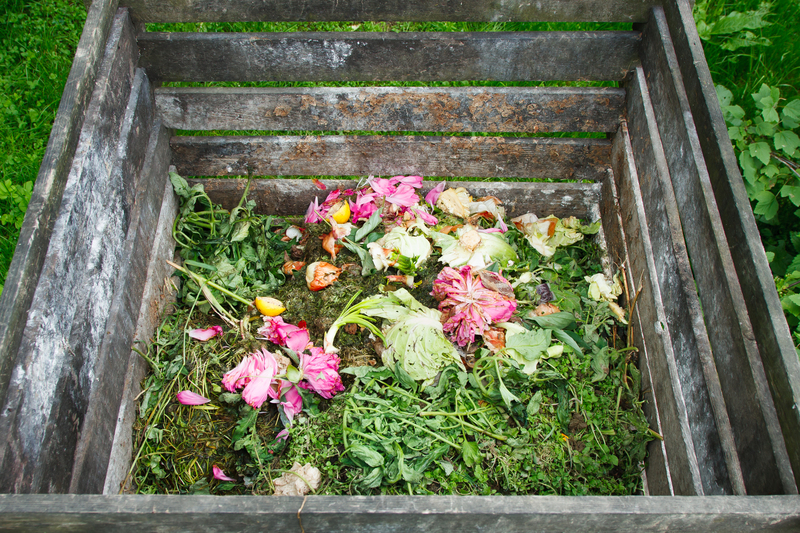
Garden clearance can involve much more than bagging up grass cuttings. It may include branches, hedge trimmings, roots, weeds, leaves, soil in limited quantities, and dismantled outdoor debris that has become awkward to handle. When a garden has not been maintained for a while, the work often starts with opening up access and identifying what can be cleared safely. The result is a tidier, more workable outdoor area that can be assessed for follow-on gardening or maintenance.
We also deal with mixed outdoor waste that appears during small property improvements. That can include broken pots, collapsed planters, old edging, weathered timber, loose hard landscaping pieces and other material that no longer has a useful place in the garden. Where items are separable, it is sensible to keep different waste types distinct so the clearance can be handled appropriately. Careful sorting matters because garden waste is not always all the same, and different material needs different handling.
For customers, the main decision is usually whether the site needs light tidy-up clearance or a fuller removal of accumulated waste. Some jobs are simple and quick; others require careful lifting, staging and loading because access is narrow or the pile includes awkward pieces. The clearer the brief, the more accurately the work can be planned. If you already know the main items, it is helpful to set them out plainly when you ask for a price.
Waste types we can remove from outdoor spaces
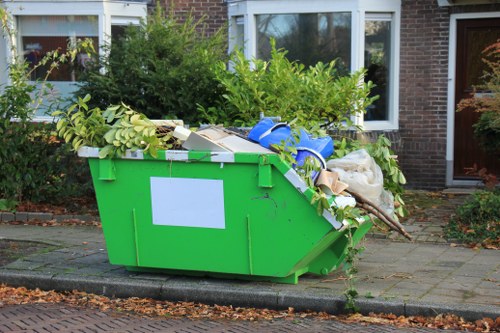
Different gardens generate different kinds of waste, and a sensible clearance service needs to recognise that mix. Green waste such as branches, hedge clippings and leaves is usually the most common material, but it is not the only thing that appears. We also remove garden furniture that has reached the end of its useful life, damaged decorations, broken storage items and other outdoor clutter that has been left to weather over time. Each category is handled with the intention of keeping the process tidy and manageable.
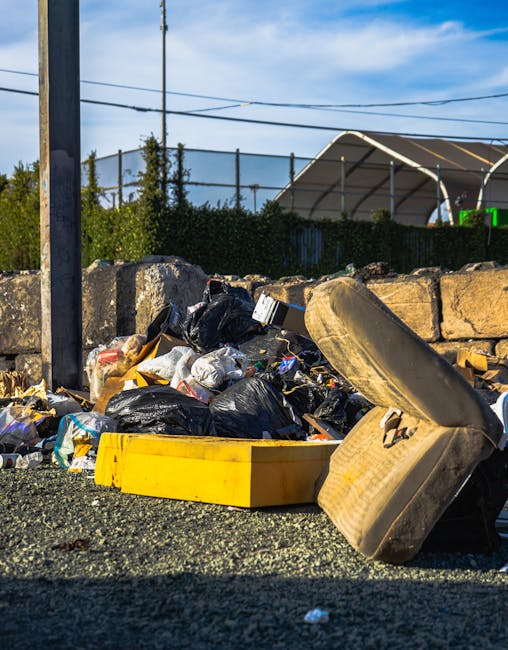
Where a garden contains heavier or more cumbersome material, the clearance may need a planned approach. Soil, turf, stones and broken hardscape pieces can be more demanding to lift than light cuttings, and mixed loads often take longer to sort. A well-organised removal helps prevent unnecessary disturbance to the remaining garden. Mixed waste is common after repairs or tidying work, so separating material where possible is usually the most practical route.
Some customers also need related outdoor items cleared alongside the waste itself. Old compost bags, worn plant containers, damaged trellis, broken shelving or dismantled garden fixtures can all be part of the job if they are ready for removal. The important point is that the service should match the real contents of the site rather than assume everything is simple green waste. That is what makes a quotation more accurate and the clearance more useful.
How the clearance is planned
Planning begins with a sensible view of access, volume and the kind of material involved. A front path, side passage or shared route can affect how waste is moved, especially if larger branches, timber sections or heavier bags need to come out carefully. Clearance work is often best approached in stages: identify the main waste, decide what should be removed first, and then load it in a way that reduces disruption to the rest of the garden.
It is often useful to have a rough list of the main items and, where relevant, a few clear photographs of the area. This does not need to be elaborate. Simple images and a short description of what should stay and what should go can help the quotation process stay realistic. If access is narrow, steep or shared, mention that as well so the job can be assessed properly before any visit or removal is arranged.
There is also a practical question of timing. Some clearances are best completed before further garden work begins, while others are arranged after pruning, hedge cutting or a small outdoor project has produced waste that must be taken away. The clearer the sequence of work, the easier it is to keep the site orderly. Where useful, we can combine the removal of several related items in one clearance rather than splitting them unnecessarily.
Garden clearance for overgrown spaces
Overgrown gardens often need a different approach from routine tidy-ups. Thick weeds, tangled growth, fallen material and years of accumulated debris can make the area difficult to walk through, let alone work in. In those cases, the clearance has to be controlled and methodical, with enough care to avoid dragging waste across paths or damaging the parts of the garden that are still intact. The job is not only about lifting material out; it is also about making the space usable again.
When overgrowth is involved, there may be hidden items under the surface, such as old pots, collapsed storage or forgotten outdoor equipment. These need to be uncovered and dealt with safely rather than simply being pushed aside. A careful clearance can reveal the true condition of the space and reduce the risk of leaving debris behind. For that reason, a more neglected garden may take longer than a surface tidy, even when the visible waste seems straightforward.
A good result depends on matching the effort to the condition of the garden. Heavy overgrowth should not be treated like a quick bagging job, because the waste may be tangled, damp or mixed with soil and other material. That is why a clear description of the site helps so much. If you want the area restored to a cleaner baseline before maintenance begins, this type of clearance is the place to start.
Clearance after garden work or property changes
Garden clearance is frequently needed after other work has already taken place. A hedge reduction, pruning session, small landscaping change or fence repair can leave a surprising amount of waste behind. Rather than letting piles sit in the garden, it is usually better to remove them promptly so the rest of the space can be used or continued without clutter. This is especially helpful when the project has produced awkward lengths of timber, cut branches or a mixture of green and non-green material.
Some customers also need help clearing outdoor items that are no longer wanted after a change of use in the garden. Old furniture, worn storage, damaged plant supports and other loose pieces may have to go at the same time as the garden waste itself. Where items are ready for removal, the service can keep the job joined up and avoid multiple separate arrangements. A straightforward clearance saves time and keeps the outdoor space from filling up again with leftover material.
When planning this kind of work, it is useful to think about what should remain in place. If a patio set, planter arrangement or equipment stack is staying, let that be clear from the start so the removal team can work around it. If a section of the garden will be reworked later, clearing it first can make later stages simpler. Good preparation means fewer misunderstandings and a more accurate quotation from the outset.
Our approach to loading, sorting and removal

Once the waste type and access are understood, the work becomes a matter of efficient and careful removal. Items are loaded in a way that reflects their weight, shape and condition, rather than being treated as one generic pile. Green waste, bulky outdoor debris and heavier pieces each call for slightly different handling. This is one reason why a thoughtful clearance tends to be neater than a rushed one: the loading process is organised around the material, not just speed.
Sorting is part of that approach. Where waste can be separated, it makes sense to keep suitable material distinct from mixed or heavier debris. That helps the clearance stay orderly and reduces the chance of awkward pieces damaging paths, walls or planting areas. It also means the job can be matched more closely to the actual contents of the garden. A tidy outcome depends on practical organisation as much as physical effort.
Customers sometimes ask whether a garden clearance should be treated as a single visit or divided into stages. The answer depends on the size of the pile, the access and what the site contains. If there is a large amount of overgrowth or several separate waste types, a staged removal can be the most sensible option. Either way, the aim is the same: remove what is unwanted, keep the process controlled and leave the area easier to manage than before.
Pricing factors and quotation details
Garden clearance pricing is usually shaped by several practical factors. The volume of waste is the obvious one, but it is not the only consideration. The mix of material, whether items are light or heavy, how easy it is to reach the waste and whether the clearance includes awkward outdoor debris can all influence the amount of work involved. A clear quotation should reflect those details rather than rely on a rough guess that may not fit the site.
It is also worth considering whether the job involves simple removal or a more involved tidy-up. A small heap of cuttings is very different from an overgrown border full of tangled branches, soil, broken containers and mixed material. Accuracy matters here, because the right quote depends on understanding the real task. If there are particular items that need special handling, mention them up front so the estimate is based on the correct scope.
If you are collecting information for a quotation, keep it practical: the main waste types, where they are located, whether access is straightforward and whether anything needs to stay in place. That is usually enough to start a useful conversation. Contact us to discuss your garden clearance if you want to go through the details and receive a tailored price.
About Plumstead
Plumstead is an area in south-east London with a long history shaped by its position between the river, historic routes and later suburban development. The district is closely associated with Woolwich and lies within the Royal Borough of Greenwich. Its built environment reflects a mixture of older terraces, later housing, civic buildings and local shopping streets, with everyday life centred on neighbourhood-scale services rather than a single dominant centre. The name is historically older than much of the surrounding development, and traces of the area’s earlier identity still appear in local place names and street patterns. Plumstead Common is one of the best-known open spaces in the area, offering green relief within a dense urban setting and forming part of the local landscape for recreation and walking. The area also sits near the Thames corridor and has been influenced by transport links, including rail connections that strengthened its integration with the wider city. Like many parts of south-east London, Plumstead has seen change over time: older housing stock stands alongside newer infill and renewal, while nearby Woolwich and the riverfront continue to shape perceptions of the district. The area’s streets, parks and long-settled residential character give it a clear local identity within Greenwich, and that mix of urban fabric and open space remains central to how it is understood today.
For practical outdoor work, the surroundings vary from small front gardens and enclosed back yards to larger plots and communal green edges, so the type of clearance needed can differ from one property to another. Some spaces collect ordinary seasonal debris, while others contain heavier accumulated material or items left after repairs. The key is to treat each site on its own terms and remove only what is wanted, using a careful approach that respects the layout of the garden and the wider property.
Because outdoor spaces in the district can range from compact urban plots to more open residential gardens, the scale of clearance work may also vary, but the underlying aim stays the same: to restore order, open up usable ground and remove clutter that no longer serves a purpose. Learn more about our background and the way we organise our services.
Related clearance options
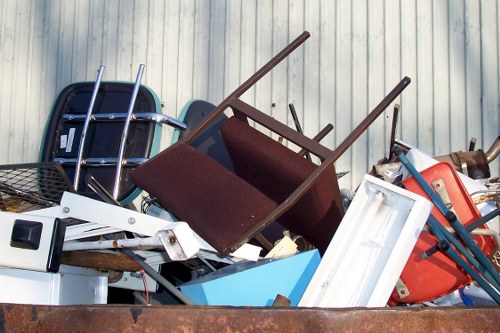
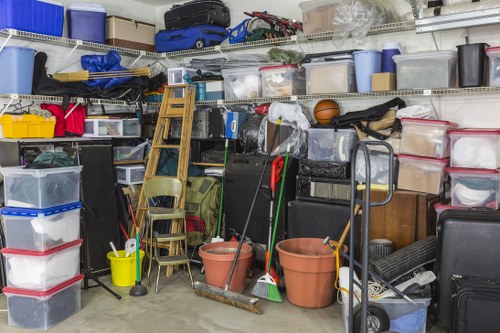
Although garden clearance is the main focus here, some jobs overlap with other kinds of removal. For example, a garage may hold outdoor equipment, broken tools or old bags of material that need to be cleared at the same time as the garden itself. Likewise, a shed or side space can contain mixed items that are best removed together rather than handled in separate visits. When the work crosses boundaries between spaces, it is useful to choose the most suitable clearance route instead of trying to force everything into one narrow category.
In some cases, customers only need a partial clearance, such as the removal of furniture, larger debris or a specific waste type. In others, the entire outdoor area may need attention, including ground-level clutter, loose items and accumulated material from different sources. A clear scope helps avoid duplication and keeps the work efficient. If you are comparing options, it is reasonable to think about whether the job is best handled as garden clearance alone or as part of a wider property tidy-up.
When you are ready to move forward, a concise description of the waste and access is usually enough to start. Tell us what needs removing, what should stay, and whether the garden contains any awkward or heavy items. Request a quotation and we can help you work out the most suitable way to clear the space.