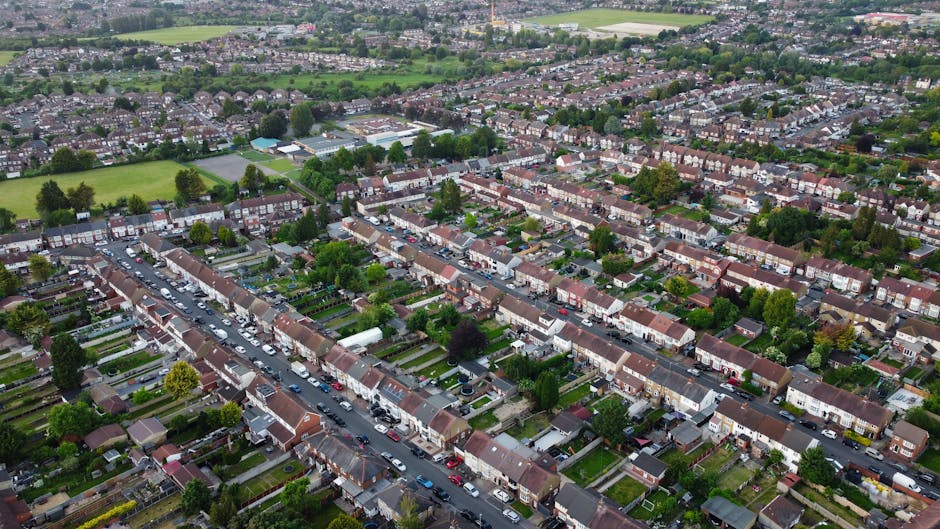
Plumstead rubbish removal guide for Plumstead Common homes

If you live near Plumstead Common, rubbish has a funny habit of multiplying when you are not looking. A broken wardrobe in the hallway, garden cuttings after a weekend tidy-up, a few builder's bags from a quick refurb, then suddenly the spare room feels like it has been taken over. This Plumstead rubbish removal guide for Plumstead Common homes is here to make the whole process feel calmer, clearer, and less of a faff.
We will walk through how local rubbish removal typically works, what to expect from a responsible clearance service, where homeowners often go wrong, and how to choose the right approach for your home, your budget, and your schedule. If you are comparing options, trying to clear a single bulky item, or dealing with a full house clearance, you will find practical answers here without the fluff.
Expert summary: the best rubbish removal is usually the one that matches the size of the job, protects your property, keeps waste handled properly, and leaves you with less stress, not more. Simple enough in theory. In real life, not always.
Why Plumstead rubbish removal guide for Plumstead Common homes Matters
Plumstead Common homes come with a mix of property types, access quirks, and everyday storage limitations. Some homes have side access, some do not. Some have lofts that become accidental archives, and others have gardens that somehow collect old fencing, pots, and whatever was meant to go to the tip "next weekend". So rubbish removal is not just about getting rid of things. It is about doing it without turning your driveway, stairs, or front path into a temporary obstacle course.
For local homeowners, rubbish removal matters for three big reasons. First, it protects living space. Second, it reduces safety risks from clutter, sharp waste, or heavy items. Third, it helps you avoid the poor decision of leaving waste to pile up because you are too busy to sort it. That last one happens more than people admit. Life gets full, and rubbish quietly wins the room.
There is also the local practicality angle. If you are clearing bulky furniture, mixed household waste, or garden debris, you need a plan that suits the street layout, parking, and the amount of lifting involved. A tidy home is nice. A tidy home that can still be walked through without muttering under your breath is even better.
Many homeowners also want reassurance that items are handled responsibly. That is where a service approach backed by recycling and sustainability practices and clear service information from the company background can help build trust before anything is booked.
How Plumstead rubbish removal guide for Plumstead Common homes Works
Most rubbish removal for homes follows a straightforward pattern, though the details matter. You identify what needs to go, describe the type and volume of waste, agree a collection time, and then the team removes the items and sorts them for disposal, reuse, or recycling where appropriate.
The real value is in the preparation. A good service should know whether your load is mostly general household junk, old furniture, garden waste, or heavier building debris. Why does that matter? Because mixed waste can require different handling, different labour, and sometimes a different vehicle setup. That is the part people often underestimate.
For example, a couple of broken chairs and a mattress might be fairly quick. A full garage clearance with oily tins, bikes, old shelving, and mystery boxes from three winters ago is another story entirely. It is not dramatic, just different. A sensible provider will normally ask questions before quoting so that expectations are clear from the start. If you want to compare service scope and general clearance options, it helps to review the site's broader waste removal information.
In practical terms, the process is usually:
- you list the items or send photos;
- a quote is prepared based on volume, access, and waste type;
- a collection slot is arranged;
- the waste is removed from the property;
- items are sorted for proper disposal routes.
That sounds simple, and mostly it is. The snag is always the details: access, lifting, and whether the waste is truly mixed or just looks mixed from the hallway.
Key Benefits and Practical Advantages
Good rubbish removal offers more than a clean floor. It gives you back time, space, and a bit of mental breathing room. Once a room is no longer half-blocked by old furniture or stacked bags, you notice the difference straight away. The space feels larger. Quieter, even. Funny how that works.
Here are the main advantages Plumstead Common homeowners usually care about:
- Less lifting for you: bulky items, awkward furniture, and garden waste are handled by people used to moving them safely.
- Faster turnaround: ideal when you need a room cleared before decorators, movers, or family arrive.
- Better organisation: mixed waste can be separated more effectively than a rushed DIY load-up.
- Reduced risk of damage: stair rails, walls, and flooring are less likely to take a hit when the job is managed properly.
- More reliable disposal: items should be routed responsibly rather than dumped into a random pile in the back of your life.
There is also a less obvious advantage: decision fatigue disappears. Instead of wondering whether the sofa can fit in the car, whether the old cabinet is too heavy, or whether you need three separate trips, you hand it over and move on. A small relief, but a real one.
If you are dealing with older furniture, the dedicated furniture clearance and furniture disposal pages are useful if your main problem is sofas, tables, wardrobes, or bedroom sets that are past their best.
Who This Is For and When It Makes Sense
This guide is useful for a wide range of Plumstead Common households, especially if you are trying to decide whether to hire help or handle the rubbish yourself. Truth be told, many people wait too long before asking for help. They keep telling themselves the van trip will happen at the weekend. Then the weekend comes and goes. Again.
It makes sense for you if you are:
- clearing a single bulky item that is difficult to move;
- tidying up after redecorating or minor home improvements;
- emptying a loft, garage, shed, or spare room;
- dealing with leftover garden waste after pruning or landscaping;
- preparing a property for sale or let;
- helping a relative downsize and needing a careful, respectful approach;
- sorting out clutter that has been building up for months.
It is especially helpful for homes where access is not ideal. Narrow paths, steps, awkward corners, and shared access can make DIY disposal much harder than it first looks. In those situations, a service that also offers home clearance support can be a better fit than trying to force everything into the family car at 7pm on a rainy evening. Nobody enjoys that, let's face it.
If your project involves heavier renovation debris, then the site's builders waste clearance page may be more relevant than a general household clearance option.
Step-by-Step Guidance
If you want the smoothest possible result, a little preparation goes a long way. Here is a practical step-by-step approach that works well for most Plumstead Common homes.
- Sort the waste into broad groups. Keep furniture, garden waste, builders' debris, and general household rubbish separate where possible. You do not need museum-level organisation. Just enough to make the job easier.
- Identify anything that needs special handling. Paint tins, electrical items, sharp materials, or anything with leakage risk should be flagged early.
- Take a clear look at access. Think about gates, steps, tight hallways, parking, and whether items need to be carried a long way.
- Estimate volume honestly. A half-full room is not the same as a few bags. If in doubt, overestimate slightly rather than underplaying the job.
- Ask how the waste will be handled. A trustworthy provider should be able to explain collection, sorting, and disposal in plain English.
- Book a time that suits the property. If you work from home or need to manage parking, plan around that rather than hoping it will somehow sort itself.
- Prepare the space. Move small personal items, clear walkways, and make sure the items to be removed are easy to identify.
- Check the final result before the team leaves. Make sure the right items have gone and that any agreed follow-up tasks are understood.
A small but useful tip: if you know you are also dealing with old tools, boxes, or random garage leftovers, combine the job into one proper clearance rather than doing several tiny clear-outs. One good session beats five half-finished ones.
Expert Tips for Better Results
From experience, the best rubbish removal jobs are the ones where the homeowner gives a little structure at the start. Not over-structured. Just clear enough. That saves time and avoids the classic "oh, that was meant to stay" moment when someone points at the wrong pile.
Here are a few tips that make a real difference:
- Photograph the waste before booking. Pictures are often more useful than descriptions, especially for mixed loads.
- Keep pathways open. Even a small chair in the wrong place can slow the job down more than you would expect.
- Tell the team about fragile areas. Narrow stair edges, fresh paint, and low ceilings all matter when moving bulky items.
- Separate anything reusable. Items that still have life in them may be handled differently from broken waste.
- Be honest about volume. Trying to understate the amount usually backfires, and then the schedule gets messy.
- Plan for weather if the waste is outdoors. Wet cardboard, soggy garden waste, and slippery paths are never ideal.
If your main job is clearing a shed, patio, or overgrown borders, the dedicated garden clearance service information is worth checking because outdoor waste often has its own practical wrinkles.
A good clearance is not just about moving things out. It is about leaving the home easier to live in once the last bag has gone.
Common Mistakes to Avoid
Most mistakes are avoidable. The problem is that people only notice them once the job is already in motion, which is a bit late.
- Underestimating how much space waste takes. One large wardrobe or pile of loose debris can fill a vehicle faster than expected.
- Mixing sharp and loose items. That creates safety issues and can slow the removal process.
- Leaving heavy lifting to the last minute. If you can barely move it, say so early.
- Forgetting access details. A service team arriving to find blocked parking or a locked side gate is a very avoidable problem.
- Ignoring compliance questions. Not all waste should be treated the same way.
- Assuming everything can go together. Different waste streams often need different handling. Simple, but important.
One especially common error is booking a general clearance when the job is actually a garage full of mixed items, or a loft packed with old belongings. In those cases, the right specialist page, such as garage clearance or loft clearance, is often the better match.
Tools, Resources and Recommendations
You do not need fancy equipment to prepare for rubbish removal, but a few simple tools help. The aim is to make the job safer and quicker, not to turn your front room into a site office.
- Heavy-duty bags or boxes: useful for loose waste, soft furnishings, or mixed household bits.
- Gloves: essential for dusty lofts, garden debris, and anything with rough edges.
- Masking tape or labels: helpful if some items are staying and some are going.
- Basic cleaning supplies: a broom, dustpan, and cloths make a big difference once the heavy items are gone.
- Phone camera: ideal for taking item photos before you request pricing guidance.
If you want to understand how pricing and payment are typically handled, the site's pricing and quotes page and payment and security information can help set expectations before booking.
For customers who care about company trust signals, the pages on insurance and safety and health and safety policy are sensible reading. Boring maybe, but reassuring. And reassuring is good.
Law, Compliance, Standards, or Best Practice
Rubbish removal is not just a practical job; it also needs to be handled responsibly. In the UK, waste should be transferred, carried, and disposed of with care. For homeowners, the key point is simple: you should use a provider that treats waste properly and does not take shortcuts that could create problems later.
Best practice usually means the service should:
- sort waste sensibly by material type where appropriate;
- avoid mixing unsuitable items with general waste;
- handle items carefully to reduce injury or property damage;
- provide clear pricing and clear expectations;
- work in line with normal environmental and safety expectations;
- be transparent about what they can and cannot take.
If you are clearing a property after building work, there may be extra care needed around dust, sharp waste, and heavier materials. That is where specialist handling is useful. The broader house clearance and builders waste clearance pages are relevant when the job is beyond simple bin-bag removal.
A sensible homeowner does not need to memorise regulations. But you do want to know that the service is set up to follow good practice rather than improvise on the day. That matters more than people think.
Options, Methods, or Comparison Table
There are usually a few ways to clear rubbish from a Plumstead Common home. The right one depends on volume, time, physical effort, and how soon you need the space back.
| Method | Best for | Pros | Potential drawbacks |
|---|---|---|---|
| DIY tip runs | Small loads and light waste | Can feel cheaper at first; full control over timing | Time-consuming, lifting heavy items, parking and loading hassle |
| Self-managed skip | Ongoing renovation or large DIY projects | Useful for repeated loading; convenient if you have space | Needs room, can be messy, waste has to be sorted correctly |
| Professional rubbish removal | Bulky items, mixed loads, time-sensitive clearances | Fast, convenient, less physical effort, usually tidier | May cost more than a solo trip, depending on volume |
For many homeowners, professional removal becomes the better choice once the waste is awkward, heavy, or mixed. If it is just a couple of bags, DIY may be fine. If it is a dining table, mattress, broken shelves, and garden cuttings all in one go, a managed removal service is usually the calmer option.
Case Study or Real-World Example
Take a typical Plumstead Common scenario: a homeowner has spent two weekends clearing out the spare room and the back garden. There are three broken chairs, old curtain poles, some damp cardboard, a small pile of hedge cuttings, and a wardrobe that has seen better decades. At first glance, it seems manageable. Then you start moving it and realise the wardrobe is heavier than it looks, the cardboard is soggy, and the path to the rear gate is narrower than you remember.
Rather than trying to cram everything into a family car over several trips, the homeowner sorts the items into groups, takes a few photos, and books a collection that suits the access. The team arrives, removes the waste in one visit, and the space is usable the same day. The spare room stops feeling like a storage shed. The garden looks bigger. The whole house just exhales a bit.
That is the real value of a good rubbish removal plan. It saves effort, yes. But more than that, it restores order quickly enough that you do not lose momentum halfway through the project.
Practical Checklist
Use this checklist before you book rubbish removal for a Plumstead Common home:
- Confirm what items need removing.
- Separate furniture, garden waste, and general rubbish if possible.
- Take clear photos of the waste pile.
- Check access routes, gates, steps, and parking.
- Remove personal items from drawers, cupboards, and pockets.
- Flag any sharp, heavy, or fragile materials.
- Ask about recycling, sorting, and disposal handling.
- Review pricing, timing, and payment details.
- Prepare walkways and protect fragile areas.
- Make sure you know what should stay and what should go.
If the job is mainly furniture, remember that the site's furniture clearance and furniture disposal options are there to make that kind of work easier to plan.
Conclusion
A good rubbish removal plan for Plumstead Common homes is about more than clearing clutter. It is about making the job safer, simpler, and less draining than trying to battle it all alone. Whether you are dealing with one awkward item or a full home clear-out, the best result usually comes from clear preparation, honest communication, and choosing the right type of service for the job.
Keep the process practical. Keep it honest. And do not be shy about asking questions before anyone lifts a thing. That one habit saves trouble more often than not.
Get a free quote today and see how much you can save.
And if you are still standing in a doorway wondering where to begin, start small. Pick one room, one pile, one corner. Once the first load goes, the rest feels possible. That matters more than it sounds.
Frequently Asked Questions
What counts as rubbish removal for a Plumstead Common home?
It usually covers household junk, bulky furniture, garden waste, and mixed unwanted items that need collecting and disposing of responsibly. The exact scope depends on the provider and the waste type.
Is rubbish removal better than hiring a skip?
It depends on the job. A skip can work well for ongoing DIY or renovation waste, while rubbish removal is often better for bulky items, mixed loads, and situations where you want less lifting and faster clearing.
How do I know how much waste I have?
Take photos, group items together, and think in terms of room space rather than just bag count. A single sofa and a pile of boxes may look small, but they can take up more volume than expected.
Can furniture and general rubbish be collected together?
Often yes, but it depends on how the waste is sorted and what the service can accept. If you have mainly bulky items, a furniture-focused clearance can be a sensible fit.
What should I do before the team arrives?
Clear access paths, separate the items being removed, and move personal belongings out of the way. A tidy starting point helps the job go more smoothly.
Do I need to be home for collection?
Usually yes, or at least someone authorised should be available to confirm what needs taking. It is best to check this when arranging the booking.
Is garden waste handled differently from household rubbish?
It can be. Green waste, branches, soil, and outdoor debris may need sorting differently from mixed household waste. If your job is mainly outdoors, garden-specific clearance is often more appropriate.
How can I avoid damage to my home during removal?
Keep stairways clear, tell the team about narrow spaces or fragile surfaces, and remove anything that could snag or fall. Good communication is a surprisingly powerful thing.
What if my waste includes broken or sharp items?
Flag those items early and keep them separated if possible. Sharp materials need extra care during lifting and transport.
Can rubbish removal help with a house clearance after downsizing?
Yes. It is often one of the most practical ways to reduce stress during a move or downsizing project, especially when you need to empty rooms quickly and carefully.
How do I choose a trustworthy provider?
Look for clear pricing, straightforward communication, sensible safety information, and a responsible approach to waste handling. Pages such as about us, insurance and safety, and recycling and sustainability can help you judge whether the service feels well organised.
What is the smartest first step if I feel overwhelmed?
Start by sorting one area into keep, donate, and remove piles. Once you can see the shape of the job, it becomes much easier to plan the right clearance approach. One small win really does loosen the whole knot.