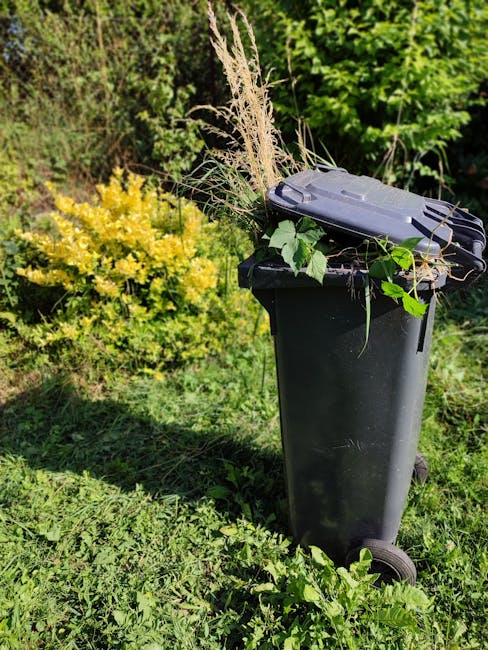
Plumstead SE18 Garden Rubbish Clearance Case Study
If you are dealing with a tangled mess of hedge cuttings, broken pots, old fencing and the sort of damp garden waste that starts to smell a bit if it is left too long, you are in the right place. This Plumstead SE18 garden rubbish clearance case study walks through how a typical overgrown outdoor space can be cleared safely, sensibly and without turning a weekend job into a full-blown headache. It is not just about removing waste. It is about making the garden usable again, reducing trip hazards, and handling the job in a way that feels tidy from start to finish.
For homeowners, landlords, tenants, and even small businesses with outside areas, garden clearance is one of those jobs that looks straightforward until you actually start. Then suddenly there are mixed waste streams, awkward access, and a lot more volume than expected. Let's face it, most people do not realise how quickly a garden fills with rubbish after one season of neglect. This guide explains the job properly, shows what matters, and helps you make a better decision next time you need garden rubbish removed in SE18.
Table of Contents
- Why Plumstead SE18 Garden Rubbish Clearance Case Study Matters
- How Plumstead SE18 Garden Rubbish Clearance Case Study Works
- Key Benefits and Practical Advantages
- Who This Is For and When It Makes Sense
- Step-by-Step Guidance
- Expert Tips for Better Results
- Common Mistakes to Avoid
- Tools, Resources and Recommendations
- Law, Compliance, Standards, or Best Practice
- Options, Methods, or Comparison Table
- Case Study or Real-World Example
- Practical Checklist
- Conclusion
- Frequently Asked Questions
Why Plumstead SE18 Garden Rubbish Clearance Case Study Matters
A garden rubbish clearance case study matters because it turns a vague service into something tangible. Instead of saying, "we cleared a garden," it shows what actually changed: what was removed, what challenges came up, and how the space felt afterwards. That kind of clarity is useful if you are comparing services or trying to work out whether a clearance team is the right fit.
In Plumstead SE18, outdoor spaces can vary a lot. Some are narrow town gardens with tight side access. Others are larger plots with years of accumulated cuttings, bags, timber offcuts and old outdoor furniture. The practical reality is that every garden clearance has its own shape. A case study helps you see the pattern: assess the space, separate the waste, protect the property, load efficiently, and leave the area ready for its next use.
It also matters because garden waste is not always just "green waste". A messy outdoor area often includes mixed materials such as soil, broken garden ornaments, trellis, rusted metal, old plant pots, and sometimes a bit of builders' waste from a DIY project. That mix changes how the job should be handled. A good service needs to be more than muscle and a truck. It needs judgement. The quiet stuff matters.
If you want to understand the wider service context, it can help to read about garden clearance services and the company background on the about us page. Those pages give a broader sense of how garden waste removal fits into a proper local clearance service.
Expert summary: the value of a Plumstead SE18 garden rubbish clearance case study is not the story itself, but the decision-making it reveals. Good clearance is part planning, part sorting, part safe removal, and part leaving the customer with a clean, usable space.
How Plumstead SE18 Garden Rubbish Clearance Case Study Works
A well-run garden clearance usually starts with a quick visual assessment. That might happen during a quote visit or from photos shared by the customer. The aim is to understand volume, access, and what type of waste is involved. Are we dealing with bagged hedge cuttings? Is there wet soil, heavy rubble, or a dismantled shed? Is there a clear route to load from, or does everything need carrying through the house? Those questions shape the job more than people expect.
From there, the process typically follows a simple structure:
- Identify the waste types. Garden waste, mixed rubbish, timber, soil, metal and household bits should not all be treated the same way.
- Check access. Narrow alleys, steps, side gates and shared paths can affect labour time and loading method.
- Protect the property. Care is taken around fences, paving, flowerbeds and any features the customer wants to keep.
- Load efficiently. Waste is moved in a way that reduces mess and avoids unnecessary damage.
- Sort for disposal and recycling. Where possible, recyclable materials and suitable green waste are separated from general rubbish.
- Final tidy-up. The last pass matters. Bits of twine, leaves, small shards of plastic and loose debris should not be left behind.
That sounds straightforward, and usually it is. But a garden that has been left for months, or years, can hide surprises. Soggy bags at the bottom. Rotting wood. Old plant trays full of mud. Sometimes a job that looked like a quick two-hour clearance becomes something more involved. Not dramatic, just real life.
If the waste includes bulky household items sitting in the garden, you may also want to look at furniture clearance or furniture disposal. And if the job is part of a larger property clean-up, services such as home clearance or house clearance may be relevant too.
Key Benefits and Practical Advantages
The biggest benefit is obvious: you get your space back. But the practical gains go a bit deeper than that. A cleared garden is safer to walk through, easier to maintain, and less likely to attract pests or hold moisture against fences and walls. You also remove visual clutter, which makes a surprising difference to how a property feels. One messy corner can make the entire garden seem neglected. Clear that corner, and the whole place breathes again.
There is also a timing benefit. Many people wait until spring or early summer to deal with garden rubbish, and by then the waste has often multiplied. If you clear it earlier, you stop the cycle. You can mow properly, trim more easily, and spot problems like damaged boards or rotten edging sooner. That saves hassle later. Simple enough, but easy to ignore.
Other practical advantages include:
- Less manual lifting for you. Heavy bags, wet branches and awkward scrap timber can be miserable to move yourself.
- Cleaner boundaries. Fences, paths and planting beds become easier to inspect and maintain.
- Better usability. The space can be used for seating, children's play, planting or storage again.
- More orderly disposal. Mixed waste can be separated and handled more responsibly.
- Reduced stress. Sometimes the biggest benefit is simply not having that pile glaring at you from the window anymore.
For customers who care about sustainability, it is worth checking the company's approach to recycling and sustainability. Responsible garden clearance is not only about removal, but about choosing the right disposal route for each material where possible.
Who This Is For and When It Makes Sense
Garden rubbish clearance makes sense for a fairly wide range of people. Homeowners often need it after a pruning project, a landscaping refresh, or a long spell where outdoor maintenance slipped down the list. Tenants may need a tidy-up before moving out. Landlords may need the garden back to a presentable standard between lets. And small businesses with outside space, such as cafes, offices or rental properties, may need periodic clearance just to keep things safe and decent looking.
It is especially useful when:
- the waste is too bulky for normal bin collection
- you have mixed materials rather than just clean green waste
- the access is awkward and needs more than a quick trolley job
- you want the garden cleared in one visit, not in stages
- you are short on time or physically unable to handle the lifting
There is also a point where garden clearance becomes part of a wider property project. For example, if the garden has been cluttered during renovation work, a builders waste clearance service might be more appropriate for the rubble, plaster or packaging. If the property is used as a workplace or managed space, business waste removal may fit better than a simple domestic tidy-up.
Truth be told, the right service depends less on the postcode and more on the waste itself. That is the bit people often miss.
Step-by-Step Guidance
If you are planning a garden rubbish clearance in Plumstead SE18, here is the most sensible way to approach it. This is the practical bit, the stuff that keeps jobs smooth.
- Walk the garden first. Note the waste types, access points, and anything fragile or valuable that needs protecting.
- Separate what you can. Put green waste, timber, metal, rubble and general rubbish into different piles if possible. It helps the clearance team work faster and more accurately.
- Remove obvious hazards. Broken glass, exposed nails, sharp edging and loose trip hazards should be flagged early.
- Decide what stays. Be clear about pots, compost bins, ornaments, tools and patio furniture. Ambiguity slows everything down.
- Check access for loading. A side gate might be fine for light bags, but not for heavy, wet soil or bulky items.
- Ask how the waste will be handled. A good provider should be able to explain how items are sorted and where the service sits alongside broader waste removal practices.
- Book a time when the weather is reasonable. A wet morning in SE18 can turn a simple clearance into a muddy one. Not impossible, just messier.
- Do a final check after the load is removed. Make sure the job ends with the area swept or raked and that nothing useful has been taken by mistake.
If you are comparing prices or trying to understand what affects cost, it is sensible to review pricing and quotes before you book. A transparent quote is one of the clearest signs that a service knows its own process.
Expert Tips for Better Results
After a few clearances, certain habits make a job easier almost every time. First, do not wait until waste is soaked through. Wet green waste weighs more, smells stronger, and can be a pain to move. If you can schedule the clearance before the next heavy rain, great. If not, fine, but expect a bit more effort.
Second, tell the team about access issues in advance. It sounds obvious, but you would be surprised how often a narrow passage, locked rear gate or shared entrance changes the job on arrival. A few seconds of honest detail saves a lot of pacing around later.
Third, keep an eye on what is mixed together. Garden rubbish, old furniture, and leftover DIY material all have different handling needs. If you know there is an old shed panel, broken shelving or a stack of bricks tucked behind the bins, say so. Nobody likes the "oh, and one more thing..." moment, but it happens.
Useful habits include:
- bag lighter green waste where possible
- keep reusable items separate from rubbish
- take a few phone photos before the clearance
- mark anything fragile or sentimental you want left alone
- clear a working route to the main waste pile
And one more thing. If the garden is part of a flat, shared property or converted house, check whether the clearance will need to pass through communal areas. Services such as flat clearance may be helpful where access and shared spaces complicate the work. A little planning goes a long way.
Common Mistakes to Avoid
The most common mistake is assuming all garden waste is the same. It is not. Green cuttings are one thing. Heavy soil, treated timber, composite panels and broken outdoor furniture are another. Mixing everything into one mental bucket leads to poor planning and sometimes a poor quote.
Another mistake is underestimating volume. One corner of the garden can hide a surprising amount of waste. What looks like three bags from the patio can turn into ten bags once lifted, separated and compacted. That is not anyone trying to be clever. It is just how messy outdoor waste behaves.
Other mistakes to avoid:
- leaving access details until the day of the job
- failing to mention sharp, heavy or contaminated items
- assuming the team will know what should stay and what should go
- booking only by price without checking what is included
- forgetting to ask about disposal and recycling practices
There is also a people-side mistake: treating the clearance as a rushed chore instead of a small project. If you spend five minutes preparing, you often save twenty minutes of confusion. Small effort, big difference.
Tools, Resources and Recommendations
You do not need a warehouse of tools to prepare for a garden rubbish clearance. But a few simple items help a lot. Heavy-duty sacks, gloves, a broom or rake, and maybe a basic tarp for grouping waste can make the space easier to assess. If you are sorting items before collection, permanent marker labels are surprisingly useful. Not glamorous, but effective.
For more complex clearances, the "resource" is really the service itself. A provider should be able to advise on the right type of removal and explain how it fits alongside other jobs such as waste removal or, where relevant, garage clearance if the outdoor clutter has spread beyond the garden proper.
Recommended practical approach:
- use bags only for light or medium-weight green waste
- do not overfill sacks with wet cuttings or soil
- keep paths clear for carrying waste out safely
- take note of any items that might need dismantling first
- if in doubt, ask for guidance before the booking day
Some customers also find it helpful to read the company's health and safety policy and insurance and safety information. That is not about being overly cautious. It is just sensible due diligence when someone is working on your property.
Law, Compliance, Standards, or Best Practice
When garden rubbish is collected and removed in the UK, the important principle is simple: waste should be handled responsibly by a business that follows proper waste management practice. You do not need to memorise the legal framework to make a sensible decision, but you should expect the company to behave professionally, protect your property, and avoid careless disposal.
Best practice usually means the team should be clear about what they can take, how they separate materials, and how they manage items that require special handling. This is particularly relevant if your garden waste includes treated wood, soil contaminated with other rubbish, or mixed materials from a refurbishment project. In those situations, taking a "just throw it all in" approach is not ideal. It is messy in every sense.
Good practice also includes:
- being transparent about pricing and scope
- communicating any restrictions before work begins
- working safely around people, pets, plants and hard surfaces
- using proper disposal routes rather than informal dumping
- respecting the customer's property and neighbours
If you want a better sense of the company's standards, look at the pages for terms and conditions, payment and security, and complaints procedure. Those pages can help you understand how the service is run and what happens if something needs following up.
Options, Methods, or Comparison Table
There are a few different ways to clear garden waste, and the best option depends on volume, type of waste, and how much effort you want to put in yourself. Below is a simple comparison to help you think it through.
| Method | Best for | Pros | Trade-offs |
|---|---|---|---|
| DIY bagging and tip run | Small, light loads of clean green waste | Flexible and can feel cheap at first | Time-consuming, physically demanding, and not great for mixed waste |
| Scheduled council-style disposal | Very limited household waste streams, if available and suitable | Can work for the right material type | Often slower, less flexible, and not ideal for urgent clearances |
| Professional garden clearance | Mixed garden rubbish, bulky waste, awkward access, urgent jobs | Fast, practical, and usually cleaner from start to finish | Costs more than doing everything yourself |
For many Plumstead SE18 households, the professional route is the most balanced option. You pay for convenience, yes, but also for reduced effort and fewer chances of getting stuck halfway through. Nobody enjoys multiple car boot runs with wet branches on a drizzly afternoon. Well, almost nobody.
Case Study or Real-World Example
Here is a realistic example based on the kind of work that often comes up in Plumstead SE18. A homeowner had let the back garden go for a while after a busy winter. The space contained hedge cuttings, old plant pots, broken canes, a dismantled wooden frame, a few bags of mixed rubbish, and some heavy clumps of soil near the rear fence. The path to the garden was narrow, so access needed a bit of thought.
The first step was simply to separate what was definitely waste from what was being kept. That sounds basic, but it stops mistakes. Next, the larger items were moved out first so the smaller debris could be reached safely. The team then worked through the mixed piles, keeping an eye on the hard surfaces and using a sensible loading order so that heavy items did not crush lighter green waste.
What made the job efficient was not speed alone. It was order. The garden did not need to be stripped bare; it needed to be made usable again. The result was a clear path, visible borders, and a much more open feel. The homeowner could then decide whether to replant, lay new bark, or just enjoy the breathing room for a bit.
That kind of outcome is common in garden clearance. Small win, but a meaningful one. When you can see the paving again, you tend to relax. Funny how that works.
If a garden project has also brought in extra household clutter, furniture or property contents, it can help to review furniture disposal and related service pages before booking. That way, the whole job can be handled in a more joined-up way.
Practical Checklist
Use this before booking your clearance. It keeps the conversation simple and usually avoids surprises.
- Identify the main waste types in the garden
- Check whether the waste is mainly green, mixed, bulky or heavy
- Note any access restrictions, gates, steps or shared areas
- Decide what should stay and what should be removed
- Flag anything fragile, sharp or potentially hazardous
- Ask how pricing is worked out
- Confirm whether sweeping or light tidy-up is included
- Check whether recycling or sorting is part of the service
- Choose a time when access is likely to be easiest
- Keep pets, children and vehicles out of the working area if possible
One small but useful habit: take a couple of photos before the clearance and after the clearance. Not for social media, just for peace of mind and future reference. It helps if you ever need to compare what changed or explain what was left behind.
Conclusion
A Plumstead SE18 garden rubbish clearance case study is useful because it shows the real-world shape of the work: planning, sorting, lifting, responsible disposal and the final tidy-up that makes the whole thing feel complete. It is a service that looks simple on the surface, but the details matter. Access, material type, safety and waste handling all change the job in ways that are easy to miss until you are standing in the garden looking at the pile.
For most people, the best result is not just "less rubbish". It is a garden that feels lighter, safer and more usable straight away. Whether you are preparing for a new season, managing a rental property, or just tired of staring at a heap of branches and broken odds and ends, a careful clearance can be a genuinely satisfying reset.
Get a free quote today and see how much you can save.
If you want to understand the company behind the service before you book, you can also read more on about us and the service overview at garden clearance. Sometimes the best next step is just making the job feel manageable again.
Frequently Asked Questions
What is included in a Plumstead SE18 garden rubbish clearance case study?
It usually includes the type of waste removed, the access conditions, how the clearance was organised, and what the garden looked like afterwards. A good case study should help you understand the process, not just the outcome.
How do I know if my garden waste needs professional removal?
If the waste is bulky, mixed, heavy, awkward to carry, or too much for normal bin collections, professional removal usually makes sense. If you are unsure, a quick quote request is often the easiest way to judge it.
Can green waste and mixed rubbish be collected together?
Often yes, but it depends on the service and the waste types involved. Mixed loads are common in real gardens, especially where there are old pots, timber, soil and general rubbish all together.
Is garden clearance the same as waste removal?
Not exactly. Garden clearance is more specific and focuses on outdoor waste, while waste removal is broader. For some jobs, both overlap. That is why it helps to check the relevant service pages before booking.
What should I do before the clearance team arrives?
Separate keepers from waste, clear access paths where possible, and flag anything fragile, sharp or heavy. A few minutes of preparation can make the job faster and less stressful.
How is the price usually worked out?
Pricing normally depends on the volume, type of waste, access difficulty and labour involved. If you need clarity, review the company's pricing and quotes information before you proceed.
Do I need to bag all the garden waste first?
Not always. Bagging can help with light green waste, but bulky branches, timber and heavy soil may be better left unbagged or grouped separately. Overfilling bags is a common mistake, so keep them manageable.
What if the garden waste is from a renovation project?
Then you may need a broader service that includes mixed waste or building-related debris. In those cases, builders waste clearance may be more appropriate than a standard garden-only job.
Is recycling part of the process?
Where possible, yes. A responsible service should separate recyclable or reusable materials where practical. You can read more on the company's recycling and sustainability page for a better idea of how that approach is handled.
What areas of the property can be affected during clearance?
Usually the garden itself, side access routes, driveways and any paths used for carrying waste out. If the property is a flat or has shared access, extra care is needed, and flat clearance may be relevant.
How do I choose a trustworthy clearance company?
Look for clear communication, sensible pricing, a proper safety approach and straightforward service information. Pages like insurance and safety, health and safety policy, and terms and conditions help you judge how professionally the business operates.
Can garden rubbish clearance be combined with other clearance jobs?
Yes, very often. If you have garage clutter, old furniture, loft contents or household waste mixed in, combining services can be more efficient. Relevant options include garage clearance, loft clearance, and house clearance.
What should I do if I have a complaint after the job?
Use the company's formal complaints process rather than trying to fix it through guesswork or repeated messages. A clear procedure is usually the best path to a fair outcome, and you can check the complaints procedure page for guidance.
Where can I ask for help or book a clearance?
If you are ready to move forward, the best place to start is the contact us page. A short message with photos and a few details is usually enough to begin.